Family dentistry in San Ramon
The dentist your family settles into.
Unhurried appointments. Clear explanations. Personalized care for you and your family.
Or call us —(925) 362-8180

4.9 ★
from 283 Google reviews
37 years
Dr. B in practice since 1989
Family-owned
Independent, never corporate
22 plans
Major PPO insurance accepted
Digital imaging
Lower dose, clearer detail
Same-day
Room held for emergencies
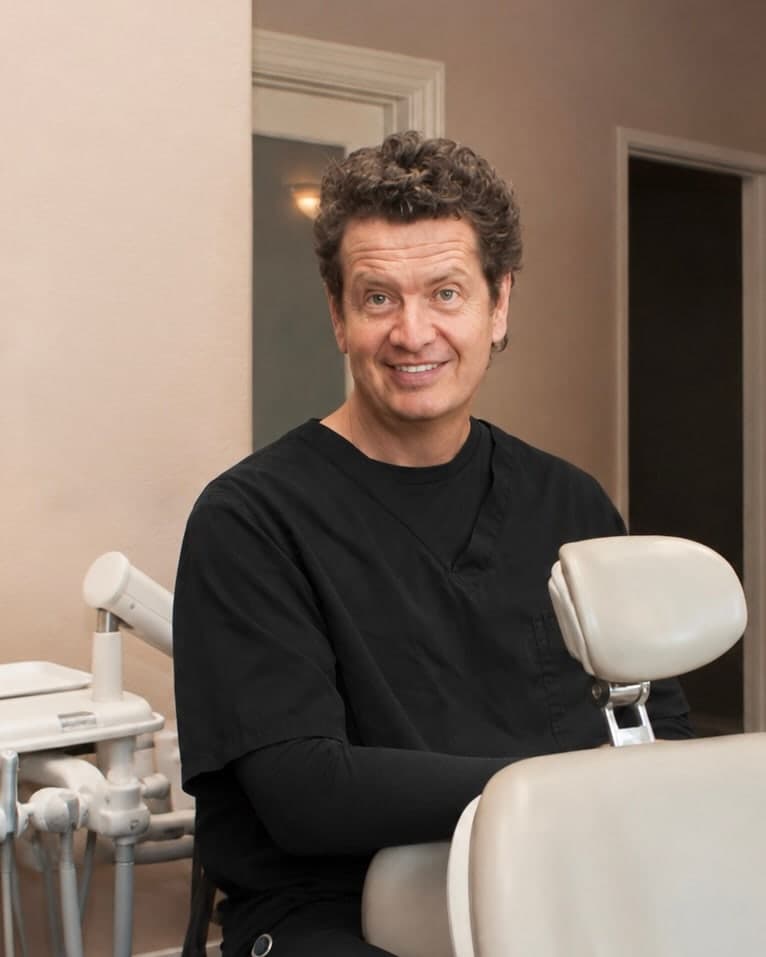
Meet the doctor
Dr. Cliff Broschinsky, DDS
Founder & General Dentist
Dr. Broschinsky graduated dental school in 1989, spent eight years in downtown San Francisco, and then opened the San Ramon practice he still runs today. Many of his patients have now brought their children, and a few their grandchildren.
Dr. B takes time to explain what he sees, answer your questions, and recommend care based on your individual needs.
You’ll always know what’s happening
Before anything begins, you’ll see your own images on the screen and hear what we’re looking at in plain language. No jargon, no rushing to the next room.
Clear options, explained
Not every finding needs treatment right away. When it’s appropriate to monitor something, we explain what we’re watching for and when we’ll check it again. When something needs prompt attention, we tell you why.
Care at your pace
We explain each step, give numbing time to work, and pause whenever you need a break.
Outside the office, Dr. B enjoys playing piano and baking sourdough.
Read Dr. B’s storyWhat to expect
You’ll know exactly what happens, before it happens.
Most dental anxiety isn’t about pain. It’s about not knowing what’s coming, or what it’ll cost. So here is the whole visit, start to finish.
01
Before you arrive
Your paperwork comes by text or email, so there’s no clipboard. We check your insurance benefits ahead of time and tell you what to expect to pay.
02
Arriving
You’ll be greeted by name — we know who’s coming in. Tea and water if you’d like them, and somewhere comfortable to sit that isn’t a row of chairs against a wall.
03
Sitting down together
Before anything clinical, we ask what’s brought you in, what’s worried you in the past, and how you’d like us to handle it. Some patients want every detail; some want none. Both are fine.
04
Your exam
Photos, x-rays if they’re due, gums measured and charted, and an oral cancer screening. Then we put your own images on the screen and walk you through what we’re looking at.
05
Clear options. Your decision.
We explain our recommendations, answer your questions, and review costs before treatment. When monitoring is appropriate, we explain the follow-up plan. If something needs prompt attention, we tell you why. We proceed with your agreement.
06
Afterwards
Your next visit gets booked before you leave, so it doesn’t quietly become three years. Questions after treatment? Call or text us.
Care
Everything your family needs, in one practice.
From a three-year-old's first cleaning to whitening before a wedding thirty years later — and an honest conversation about which of it you actually need.
General Dentistry
Cleanings, exams, fillings, and honest answers about what needs doing.
Learn moreCosmetic Dentistry
Veneers, bonding, and whitening — conservative by default.
Learn moreGum Disease Treatment
Diagnosis and non-surgical treatment of gingivitis and periodontitis.
Learn moreDentures
Full and partial dentures, fitted and adjusted until they’re right.
Learn moreInvisalign
Clear aligners, with an honest read on whether they’ll work for your case.
Learn moreDental Anxiety
An unhurried approach for people who have been avoiding it.
Learn more
Technology
Equipment matters only for what it does to your visit.
We invest in the technology that measurably changes your visit — making it more comfortable, more accurate, and shorter. Here is what we use and what each thing actually does for you.
Digital x-rays
A fraction of the radiation of the film we grew up with, and the image is on the screen beside you in seconds — so you can see what we’re seeing rather than taking our word for it.
Intraoral photography
A camera the size of a pen shows you the actual crack in the actual tooth, magnified. It’s the most useful thing we own, because you see exactly what we see.
Digital scanning
No trays of impression material, no gagging. A wand passes over your teeth and builds the model on screen — more accurate, and considerably more pleasant.
Diode laser
Used alongside a deep cleaning, the laser disinfects gum pockets and reaches bacteria that instruments alone miss. In practice it means less bleeding during the appointment and noticeably less soreness afterwards.
Easier if you’re anxious
Most of what made dentistry hard to sit through has been engineered out. The scanner replaces the gag-inducing impression tray, the laser means less soreness afterwards, and seeing your own images on the screen removes the not-knowing that makes people tense in the first place.
Fewer, better appointments
Careful planning means less of your work day spent here for the same result. Respecting your calendar is a clinical decision too.
In their words
Thirty years of families who stayed.
Every quote below is a patient's own, unedited, from our reviews.
“The staff always make my experiences with them the best and most comfortable”
Rebecca C. “Doctor B, beyond his complete knowledge of all the latest tools and techniques used in his practice, is very personable”
Louis P. “Always a great experience! Been going here for as long as I can remember”
Kiralise R. “Love the hygienist. She makes going to the dentist okay”
Christine H.
No insurance?
A membership plan that just makes the maths simple.
No deductibles, no claim forms, no annual maximum, and no waiting period. Preventive care covered for the year, and 15% off most other treatment.
- Healthy Smile — $39/month for adults
- Periodontal Wellness — $69/month for gum health
- Kids Club — $29/month for under 14
“We’d rather see you twice a year than fix something expensive later.”
That’s the whole reason this plan exists. Preventive visits are the cheapest dentistry there is, and skipping them because of insurance is how small problems quietly turn into big ones.
Membership is not dental insurance. Valid 12 months from enrollment.
Questions
The things people ask us on the phone.
Answered here, so you don’t have to.
Do you take my insurance?
We’re a Delta Dental Premier provider and take Delta’s PPO plans too. With the 21 other carriers we accept — Cigna, Aetna, MetLife, Guardian, Blue Shield, Anthem Blue Cross and United Health Care among them — we’re a PPO provider. Call us with your card and we’ll verify your actual benefits — your remaining annual maximum, your deductible, what percentage applies — before your first visit, so there are no surprises.
What if I don’t have insurance?
Our membership plan covers a year of preventive care for $39 a month for adults and $29 for children under 14, and includes 15% off most other treatment. There are no deductibles, no claim forms and no annual maximum. For larger treatment we also offer Cherry payment plans, Sunbit and CareCredit financing.
How much will my first visit cost?
A new patient exam with x-rays and a cleaning typically runs $250–$400 without insurance, depending on what’s needed. With most PPO plans it’s covered at or near 100%. We’ll give you the number before your appointment, not after it.
What actually happens at a first visit?
About an hour and a half. We talk before anything clinical happens — what’s brought you in, what’s gone badly before, how you’d like us to handle things. Then a digital scan, x-rays, intraoral photos, a gum assessment and an oral cancer screening, followed by your cleaning. Dr. Broschinsky then examines you, walks you through your own images on the screen, and builds your treatment plan with you. You’ll leave with that plan in writing and no pressure to book anything that day.
Will it hurt?
For a cleaning and exam, no — and if your gums are inflamed and sensitive, tell us and we’ll use topical anesthetic. For treatment, we numb thoroughly and we wait for it to work properly rather than starting early. You can raise a hand at any point and we stop. That isn’t a formality; it’s how we actually work.
Do you offer sedation for anxious patients?
We offer nitrous oxide — laughing gas — which takes the edge off within minutes and wears off before you drive home. For most anxious patients, though, what helps more is time: a longer appointment, a slower pace, and someone explaining each step before it happens. Tell us you’re nervous when you book and we’ll schedule accordingly.
At what age should my child first come in?
By their first birthday, or within six months of the first tooth. Early visits are mostly about making the place feel normal to them — we count their teeth, they pick something from the drawer, and they leave having had a good time. That’s what makes them relaxed at twelve.
I have a dental emergency. What do I do?
Call (925) 362-8180 now. We hold room in every day’s schedule for emergencies, and you don’t need to be an existing patient. If you have facial swelling that’s spreading, or difficulty swallowing or breathing, go to an emergency room instead — that’s beyond what a dental office can safely handle.
Patients come to us from across the Tri-Valley.
Most of our families live in San Ramon, Danville, Alamo and Blackhawk. Need help today? See emergency dental care. Bringing the kids? Read about children’s visits.